


Last Updated: November 14, 2026
Quick Summary
Recycled polyester is not automatically sustainable: it cuts production emissions sharply, with rPET generating 79% less carbon than virgin polyester, but it leaves the microplastic problem untouched and most of it is downcycled rather than recycled in a loop. Treat lower carbon as a starting point, not a finish line.
- Lab testing of 51 garments found recycled polyester shed 55% more microfibres than virgin polyester.
- Most rPET is mechanically recycled, which shortens fibres and rules out infinite loops.
- Blended fabrics like polyester-cotton are especially hard to separate economically at end of life.
- A Taylor & Francis study found recycled-polyester sports T-shirts perform competitively with virgin equivalents.
- The Global Recycled Standard requires a minimum of 20% recycled material and certifies each production stage.
Table of Contents
- What Recycled Polyester Is and How It Compares to Virgin Polyester
- The Disadvantages of Recycled Polyester: Microplastics, Recycling Limits, and Greenwashing
- Recycled Polyester vs Cotton: Which Fabric Is Better for the Planet?
- Is Recycled Polyester Good Quality and Durable Enough for Everyday Wear?
- Frequently Asked Questions
What Recycled Polyester Is and How It Compares to Virgin Polyester
Recycled polyester is a synthetic fibre made from post-consumer PET bottles or textile waste rather than newly refined petroleum, and it is not automatically sustainable just because it carries the word "recycled." It can cut manufacturing emissions sharply while leaving the microplastic problem untouched.
The production case is real. A Common Objective life-cycle analysis reported that making rPET generates 79% less carbon emissions than virgin polyester, and the Higg Material Sustainability Index puts mechanically recycled polyester at a 70% lower greenhouse-gas footprint. At Ralf Nature, we treat those numbers as a starting point, not a finish line.
The Disadvantages of Recycled Polyester: Microplastics, Recycling Limits, and Greenwashing
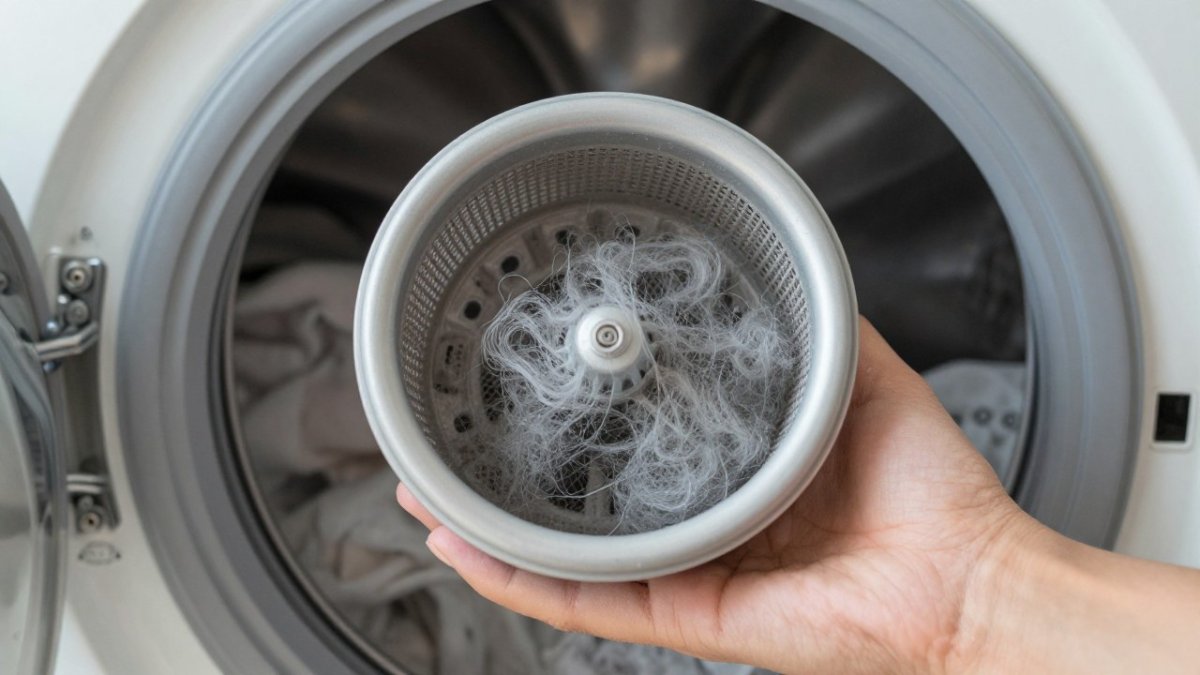
Laboratory testing of 51 garments from five major labels found recycled polyester shed 55% more microfibres than virgin polyester, according to the Changing Markets Foundation "Spinning Greenwash" report. A fibre can be lower-carbon and still pollute more. Fibres release during spinning and finishing, during wear as abrasion breaks filaments, and above all during washing, when agitation and water carry microfibres into wastewater. Looser knits, brushed fleece, and fraying cut-and-sew edges shed more than tight, smooth weaves. Mitigation is partial: a washing bag or inline filter captures some fibres, gentler cycles and full loads reduce agitation, and front-loaders generally shed less than top-loaders. None of these eliminate the fibre's persistence.
Recycling limits compound the problem. Most rPET is mechanically recycled, which shortens fibres and rules out infinite loops, and bottle-to-textile recycling can divert material from bottle streams. A clear PET bottle can be recycled bottle-to-bottle several times; shredding it into textile fibre is often a one-way downcycle. Textile-to-textile recycled polyester, made from discarded garments rather than bottles, avoids that diversion but is harder to collect, sort, and decontaminate, and is far less common. A "recycled" label rarely tells you which you are buying.
End-of-life is where the story is weakest. Most municipal systems sort textiles for reuse or export before recycling; torn, blended, or contaminated garments typically go to landfill or incineration. Mechanical recycling requires sorting by fibre type, removing trims and zips, and re-melting, and blended fabrics (polyester-cotton is most common) are especially hard to separate economically. The share of discarded polyester clothing that becomes new polyester is small. A "100% recycled" label says nothing about shedding, durability, feedstock source, or end-of-life, those questions determine whether the choice is meaningful.
Recycled Polyester vs Cotton: Which Fabric Is Better for the Planet?
Neither fabric wins outright; the answer depends on whether you are measuring carbon, water, or microplastic pollution. Cotton is natural and biodegradable but thirsty to grow; recycled polyester is lower-carbon in production but sheds plastic for its whole life.
| Criterion | Recycled Polyester | Organic Cotton |
|---|---|---|
| Production emissions | Lower than virgin polyester | Moderate |
| Microplastic shedding | Higher than virgin polyester | None |
| End of life | Downcycled, not biodegradable | Biodegrades |
| Best for | Outer layers, blended canvas | Next-to-skin wear |
For children's clothing and everyday basics, organic cotton worn against the skin is a sound choice. Our organic cotton animal hoodies are built this way, with cotton against the body and recycled polyester used as reinforcement rather than the main layer.
Is Recycled Polyester Good Quality and Durable Enough for Everyday Wear?
Yes, with caveats. A Taylor & Francis study on recycled versus virgin polyester sportswear found recycled-polyester sports T-shirts perform competitively with virgin equivalents, so durability is not the weak point, shedding and end-of-life are. But results depend on fibre source, spinning and texturing, fabric weight, and test method. Mechanically recycled polyester can have shorter fibre lengths than virgin, affecting strength and pilling unless blended or spun carefully, while chemically recycled polyester can behave more like virgin. Construction and blend choices matter more to real-world longevity than recycled-content percentage alone.
Quality depends on the blend. Our Elephant Butt XR Hoodie uses 280 GSM, 85% organic ring-spun cotton with 15% recycled polyester, certified to OEKO-TEX, GOTS, PETA and Fair Wear. The Global Recycled Standard requires a minimum of 20% recycled material and certifies each production stage, which is how you tell real content from marketing. Verification is not impact, though: a GRS certificate confirms chain of custody and recycled content, not that the garment sheds less, lasts longer, or will be recycled. Weigh four things, how long you will wear it, whether the recycled content is independently verified, how you will care for it (cooler washes, washing bags, air drying), and whether repair is realistic.
The honest position is that no single fibre is "sustainable" on its own; what matters is certified content, sensible blends, and buying less that lasts longer. Ralf Nature builds around that idea with organic cotton and recycled materials, realistic animal prints, and partnerships with zoos and aquariums that support conservation. Get started with Ralf Nature and choose pieces you will actually wear for years.
Frequently Asked Questions
Is recycled polyester still bad for the environment?
It is not automatically good or bad. A 2017 life-cycle analysis found recycled polyester generates 79% less carbon emissions than virgin polyester, and the Higg Material Sustainability Index cited in a 2025 article reports a 70% lower greenhouse-gas footprint. However, laboratory testing of 51 garments from brands including Adidas, H&M, Nike, Shein, and Zara found recycled polyester shed 55% more microfibres than virgin polyester. The material reduces reliance on fossil fuels but does not eliminate pollution trade-offs.
Does recycled polyester shed microplastics?
Yes. The Changing Markets Foundation tested 51 garments and found recycled polyester shed 55% more microfibres than virgin polyester. These microfibres are a form of microplastic pollution that can enter waterways through washing. Choosing garments with tighter-knit fabrics, washing less frequently, and using a microfiber-catching laundry bag can help reduce shedding. The evidence points to a real trade-off: lower production emissions do not cancel out shedding concerns.
Is recycled polyester durable and good quality?
The research suggests recycled polyester performs competitively with virgin polyester in sportswear. A 2025 study in Taylor & Francis reported that recycled-polyester sports T-shirts are competitive with virgin-polyester versions in performance. Durability depends on fabric construction and care rather than recycled content alone. Look for certifications like the Global Recycled Standard, which requires a minimum of 20% recycled material, and check the garment's weight and stitching for quality cues.
